

Natural Ways to Improve Dog Joint Health
If you’ve ever watched your dog hesitate before climbing stairs or struggle to stand after a nap, you know how heartbreaking joint issues can be.
Dogs are energetic, loyal companions, and their joints play a massive role in how they experience life. Healthy joints mean longer walks, happier playtime, and a better quality of life overall.
The Good News?
There are plenty of natural ways to improve dog joint health without immediately turning to harsh medications.
This guide is designed to walk you through proven, natural strategies that support joint health in dogs of all ages. From nutrition and exercise to home remedies and lifestyle changes, we’ll cover everything you need to know in a practical, easy-to-follow way.
Think of it as a roadmap to keeping your furry friend moving comfortably for years to come.
Understanding Dog Joint Health and Why It Matters
Dog joints are complex structures made up of bones, cartilage, ligaments, tendons, and synovial fluid. Together, these parts allow smooth movement and absorb shock during walking, running, and jumping. When joints are healthy, movement is effortless. When they’re not, every step can become painful.
Joint problems in dogs often develop slowly. Conditions like arthritis, hip dysplasia, and elbow dysplasia don’t appear overnight. They’re usually the result of ageing, genetics, excess weight, poor nutrition, or repetitive strain. Over time, cartilage wears down, inflammation increases, and pain sets in.
Why does joint health matter so much? Because mobility equals independence. A dog that can move comfortably is more confident, mentally stimulated, and emotionally balanced. Supporting joint health isn’t just about preventing pain—it’s about preserving your dog’s happiness and vitality.
Signs Your Dog May Be Struggling With Joint Issues
Dogs are experts at hiding pain. In the wild, showing weakness could be dangerous, and that instinct still exists. That’s why it’s crucial to recognize subtle signs of joint discomfort early.
Early Warning Signs
Early symptoms may include stiffness after resting, slower walking, or reluctance to jump onto furniture. You might notice your dog lagging or choosing shorter play sessions. These signs are easy to dismiss as “just getting older,” but they’re often the first clues of joint stress.
Advanced Symptoms to Watch For
As joint issues progress, symptoms become more obvious. Limping, swelling around joints, audible clicking sounds, or noticeable pain when touched are red flags. Behavioural changes such as irritability, withdrawal, or loss of appetite can also be linked to chronic joint pain.
Catching these signs early allows you to take natural, proactive steps before the problem becomes severe.
The Role of Nutrition in Dog Joint Health
Nutrition is the foundation of joint health. What your dog eats directly affects inflammation levels, cartilage repair, and overall mobility. A poor diet can accelerate joint degeneration, while a balanced, nutrient-rich diet can significantly slow it down.
Why Diet Matters More Than You Think
High-quality proteins support muscle mass, which stabilizes joints. Vitamins and minerals like vitamin C, vitamin E, and zinc help fight oxidative stress that damages joint tissues. Meanwhile, excess carbohydrates and artificial additives can increase inflammation.
Anti-Inflammatory Foods for Dogs
Natural anti-inflammatory foods can make a noticeable difference. These include:
- Fatty fish like salmon and sardines
- Blueberries and spinach (in small, dog-safe amounts)
- Bone broth for collagen support
- Sweet potatoes for antioxidants
Feeding your dog with intention is one of the most effective natural ways to improve dog joint health.

Best Natural Supplements for Dog Joint Support
Sometimes diet alone isn’t enough, especially for aging or large-breed dogs. Natural supplements can fill nutritional gaps and provide targeted joint support.
Glucosamine and Chondroitin
These are two of the most well-known joint supplements. Glucosamine helps repair cartilage, while chondroitin prevents its breakdown. Together, they improve joint lubrication and reduce pain over time.
Omega-3 Fatty Acids
Found in fish oil, omega-3s are powerful anti-inflammatories. They reduce joint stiffness, improve mobility, and even support heart and brain health.
Turmeric and Curcumin
Turmeric contains curcumin, a natural compound known for its anti-inflammatory and antioxidant properties. When combined with black pepper for better absorption, it can significantly reduce joint discomfort.
MSM and Green-Lipped Mussel
MSM supports connective tissue health, while green-lipped mussel is rich in omega-3s and glycosaminoglycans, making it a potent natural joint supplement.
Healthy Weight Management for Stronger Joints
Extra weight is one of the biggest enemies of joint health. Even a few extra pounds can put tremendous pressure on your dog’s joints, accelerating wear and tear.
How Extra Weight Damages Joints
Excess body weight increases inflammation and forces joints to work harder. Over time, this leads to faster cartilage breakdown and chronic pain.
Practical Tips to Maintain Ideal Weight
- Measure meals instead of free-feeding
- Choose high-protein, low-carb foods
- Limit treats and opt for healthy alternatives
- Incorporate daily, gentle exercise
Maintaining a healthy weight can dramatically improve mobility and reduce joint pain.

Exercise: The Right Way to Keep Dog Joints Healthy
Exercise is essential, but not all exercise is created equal when it comes to joint health.
Low-Impact Exercises That Help
Swimming is one of the best activities for dogs with joint issues. It strengthens muscles without stressing joints. Leash walking on soft surfaces, controlled play, and gentle stretching are also beneficial.
Exercises to Avoid
High-impact activities like excessive jumping, running on hard surfaces, or sudden stops can worsen joint problems. Always tailor exercise to your dog’s age, size, and condition.
Consistency matters more than intensity. Regular, gentle movement keeps joints lubricated and muscles strong.
The Power of Physical Therapy and Stretching
Physical therapy isn’t just for humans. Dogs can benefit tremendously from targeted exercises and stretches.
Simple At-Home Techniques
Range-of-motion exercises, gentle leg stretches, and balance exercises can improve flexibility and reduce stiffness. Always move slowly and stop if your dog shows discomfort.
When to Consider Professional Therapy
Certified canine physical therapists can create customized plans using hydrotherapy, laser therapy, and strengthening exercises. These therapies can significantly enhance natural joint care.
Natural Home Remedies for Dog Joint Pain
Simple home remedies can provide relief when used correctly.
Warm and Cold Therapy
Warm compresses relax stiff muscles, while cold packs reduce inflammation after activity. Use each appropriately and for short durations.
Massage and Acupressure
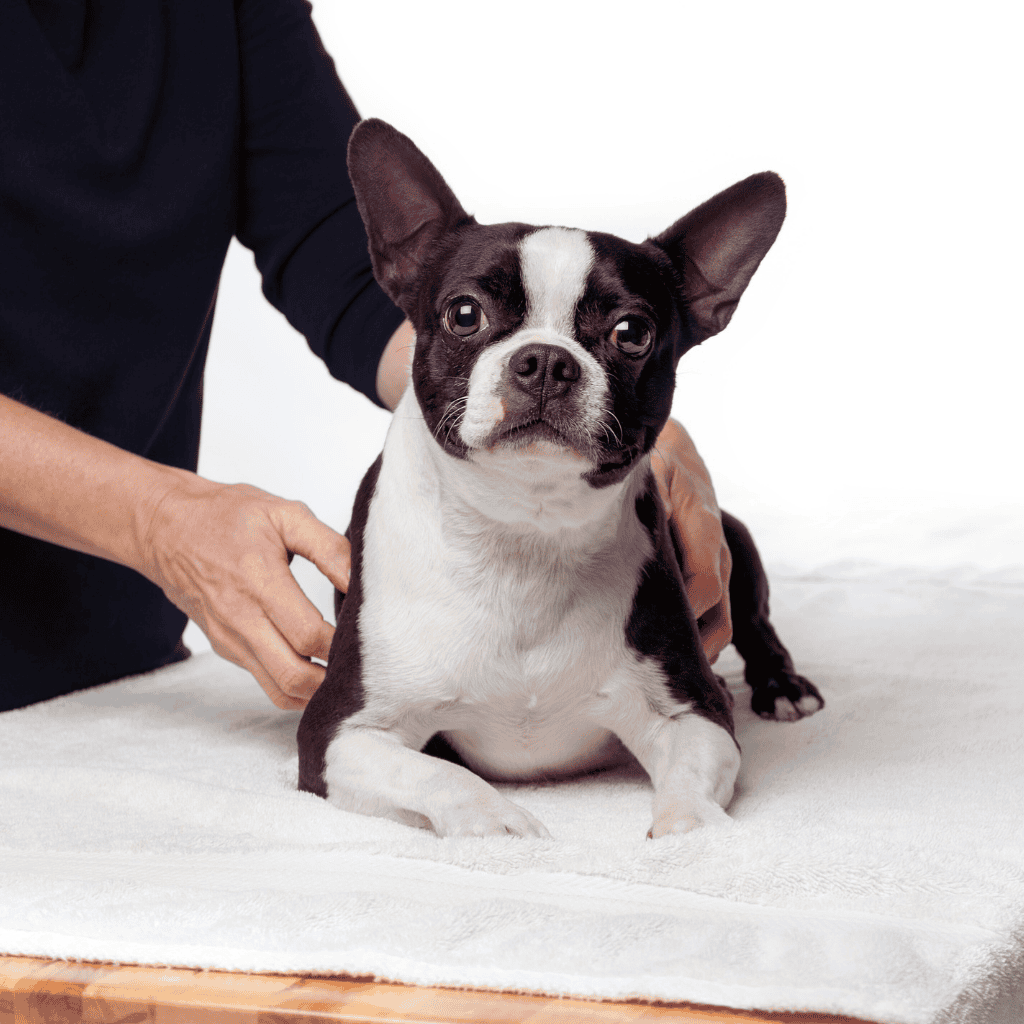
Gentle massage improves circulation and reduces muscle tension around joints. Acupressure points can also help manage pain naturally.
Importance of Proper Rest and Sleep
Rest is when the body repairs itself, including joints.
Creating a Joint-Friendly Sleeping Area
Soft, supportive bedding placed away from drafts helps joints stay warm and relaxed.
Orthopedic Dog Beds Explained
Orthopedic beds distribute weight evenly, reduce pressure points, and support proper spinal alignment. They’re especially beneficial for senior dogs.

Environmental Adjustments to Reduce Joint Stress
Small changes at home can make a big difference.
Ramps, Mats, and Flooring
Ramps help dogs avoid jumping, while non-slip mats prevent falls on slippery floors.
Reducing Jumping and Slipping
Block access to high furniture and keep nails trimmed for better traction.
Holistic and Alternative Therapies for Joint Health
Holistic approaches focus on the whole dog, not just the joints.
Acupuncture and Chiropractic Care
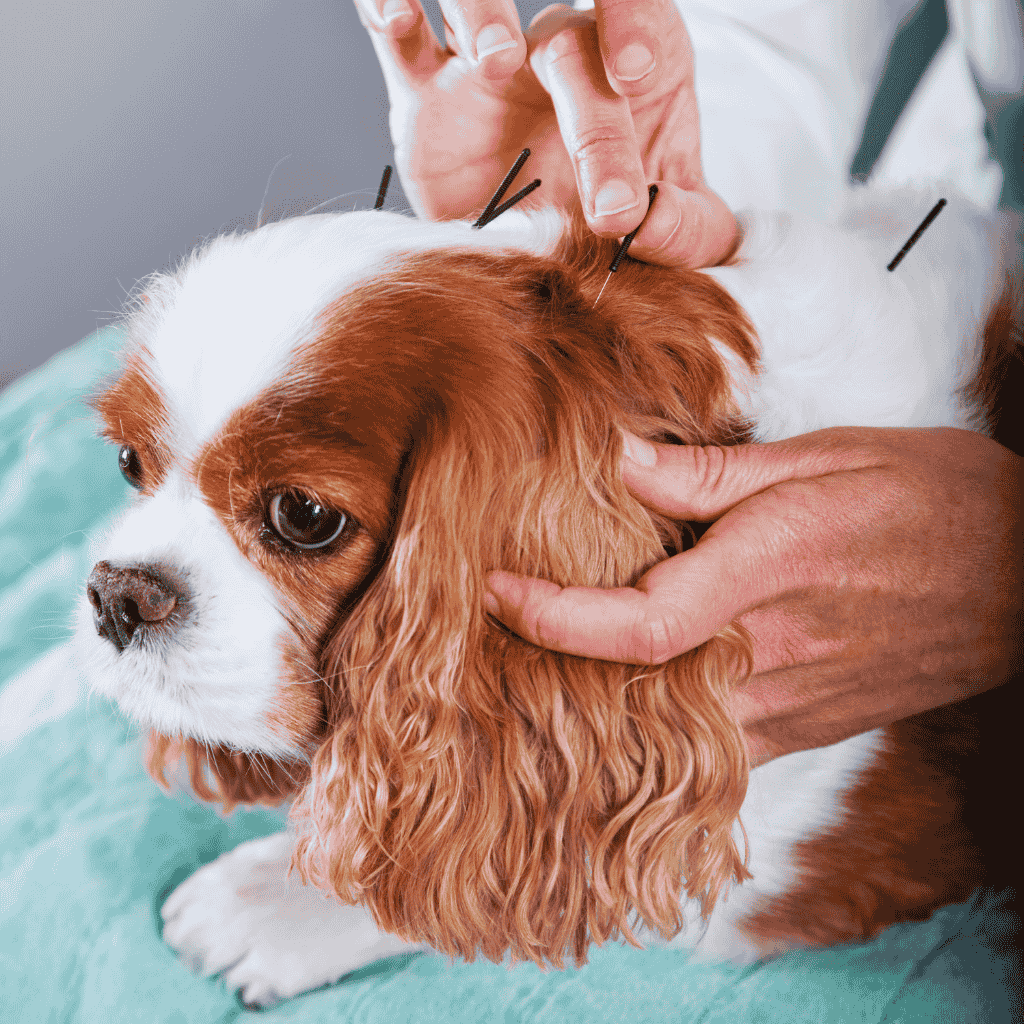
These therapies can improve nerve function, reduce pain, and enhance mobility when performed by trained professionals.
Herbal Remedies
Herbs like boswellia and yucca have natural anti-inflammatory properties and can support joint health when used correctly.
Preventing Joint Problems in Puppies and Young Dogs
Joint care should start early.
Early Nutrition Choices
Balanced diets prevent rapid growth that stresses developing joints.
Safe Growth and Activity Levels
Avoid excessive exercise during growth phases to protect joints.
Senior Dogs and Long-Term Joint Care
Aging dogs need extra support.
Adjusting Care as Dogs Age
Shorter walks, more rest, and targeted supplements become increasingly important.
Supporting Mobility in Older Dogs
Assistive harnesses and mobility aids can help seniors stay active
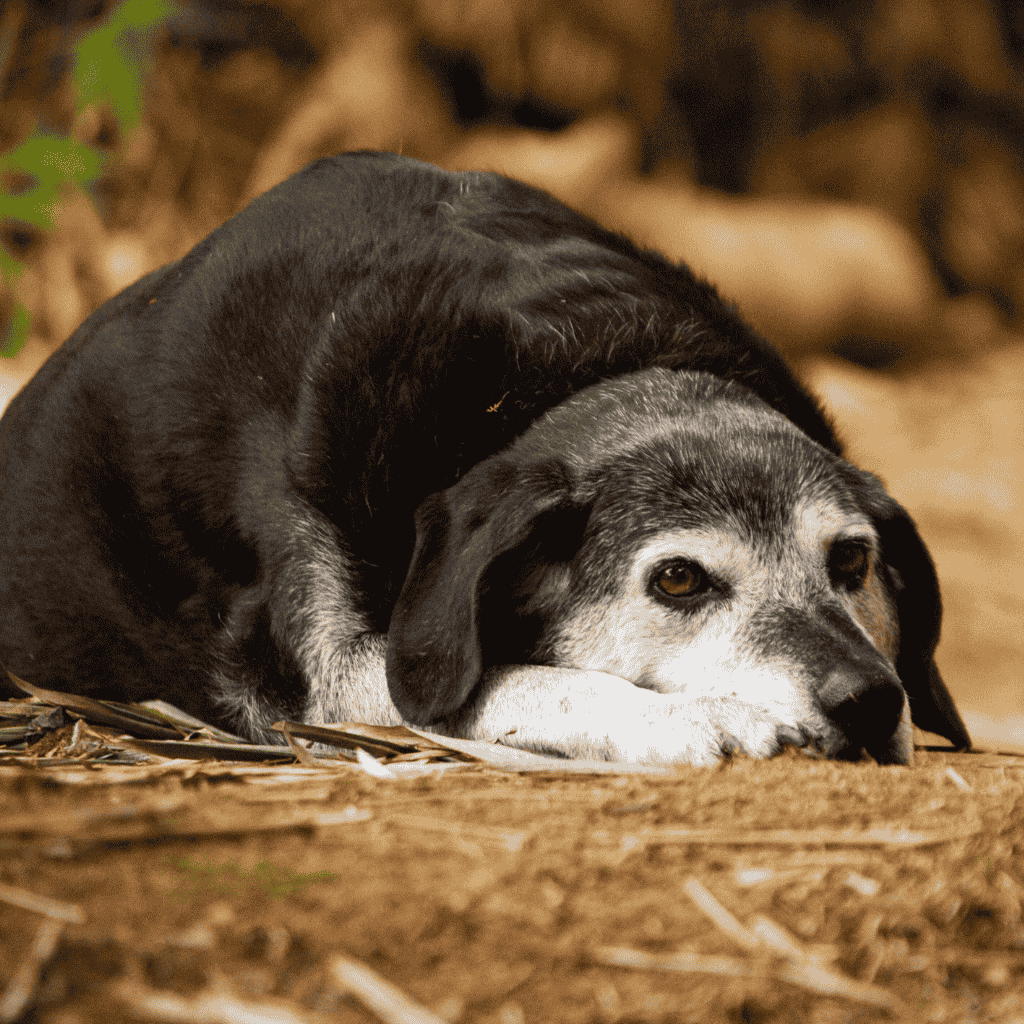
Common Myths About Dog Joint Health
Many myths can mislead dog owners, such as the belief that joint pain is unavoidable or that supplements don’t work. In reality, proactive, natural care can make a huge difference.
Conclusion
Natural ways to improve dog joint health are not only effective but also empowering. By focusing on nutrition, exercise, weight management, and holistic care, you can significantly enhance your dog’s comfort and mobility.
Joint health is a lifelong commitment, and small, consistent efforts add up to big rewards. Your dog depends on you to make the right choices, and with the strategies in this guide, you’re well-equipped to help them live a happier, more active life.
