


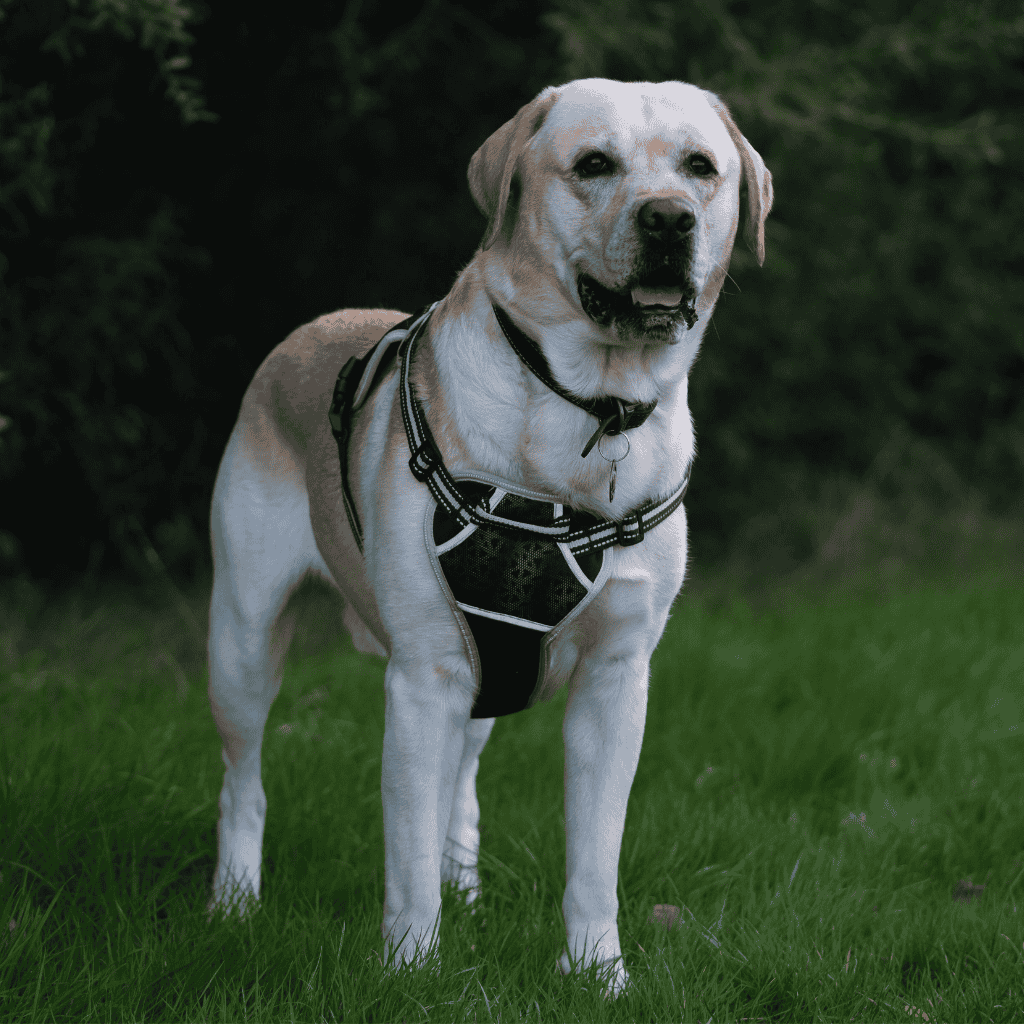
A Dog Ramp for Large Dogs isn’t a luxury item. It’s a practical tool that protects joints, prevents injuries, and extends a dog’s active years. Big dogs have carried humans, guarded homes, and worked farms for centuries. What they weren’t built for is leaping in and out of SUVs or scrambling onto slick hardwood floors. That’s where a proper ramp earns its keep.
This guide cuts through marketing fluff and tells you what actually matters. If you value durability, safety, and long-term canine health, you’re in the right place.
Large breeds carry more weight on the same joint structures as smaller dogs. That’s basic anatomy. Hips, knees, elbows, and shoulders take a beating over time. Repeated jumping compounds the damage. A Dog Ramp for Large Dogs reduces impact forces that otherwise grind joints down.
Veterinarians have been consistent on this point for decades: minimizing high-impact movements preserves mobility. According to guidance aligned with organizations like the American Kennel Club, controlled movement is key to joint health in large breeds.
You don’t wait for a roof to collapse before fixing a leak. The same logic applies here. A Dog Ramp for Large Dogs isn’t just for seniors or injured pets. It’s preventive equipment.
Common conditions for ramp use to help manage or prevent include:
Once damage is done, it’s permanent. Traditional wisdom says: protect what you’ve got while it still works.
There are moments when a Dog Ramp for Large Dogs isn’t optional:
Ignoring these realities doesn’t make you tough-minded. For sure, it will make vet bills inevitable.
First rule: never trust marketing photos alone. A Dog Ramp for Large Dogs must exceed your dog’s weight by a healthy margin. If your dog weighs 90 lbs, a 150–200 lb rating is the floor, not the ceiling.
Look for:
If it bows under pressure, it’s junk. Plain and simple.
Short ramps create steep angles. Steep angles defeat the purpose. A quality Dog Ramp for Large Dogs balances length with usable space.
General guidelines:
Stability matters more than portability. Wobble breeds distrust fast.
Dogs trust their feet. Lose traction once, and they’ll remember. A Dog Ramp for Large Dogs needs aggressive grip without tearing paw pads.
Best surface options:
Each has trade-offs:
My opinion: Old-school wood ramps still outperform many modern plastics when built right. There are a few stable plastic ramps available on the market.
Folding ramps are certainly more convenient, but fixed ramps are safer. When purchasing a ramp, make a decision based on use frequency, not convenience fantasies.
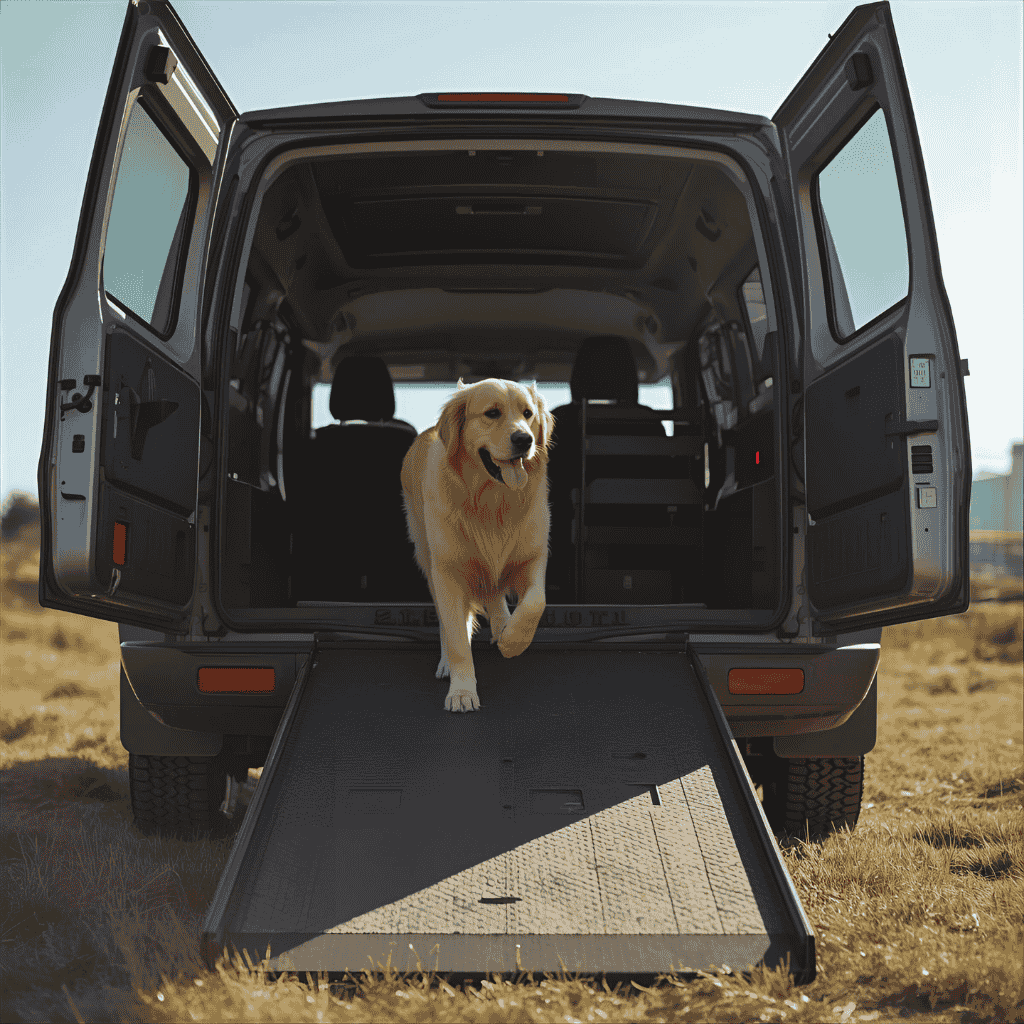
Getting in and out of vehicles is where injuries happen most. A Dog Ramp for Large Dogs designed for cars must handle uneven ground and shifting weight.
Key features:
Telescoping ramps save space but demand careful inspection.
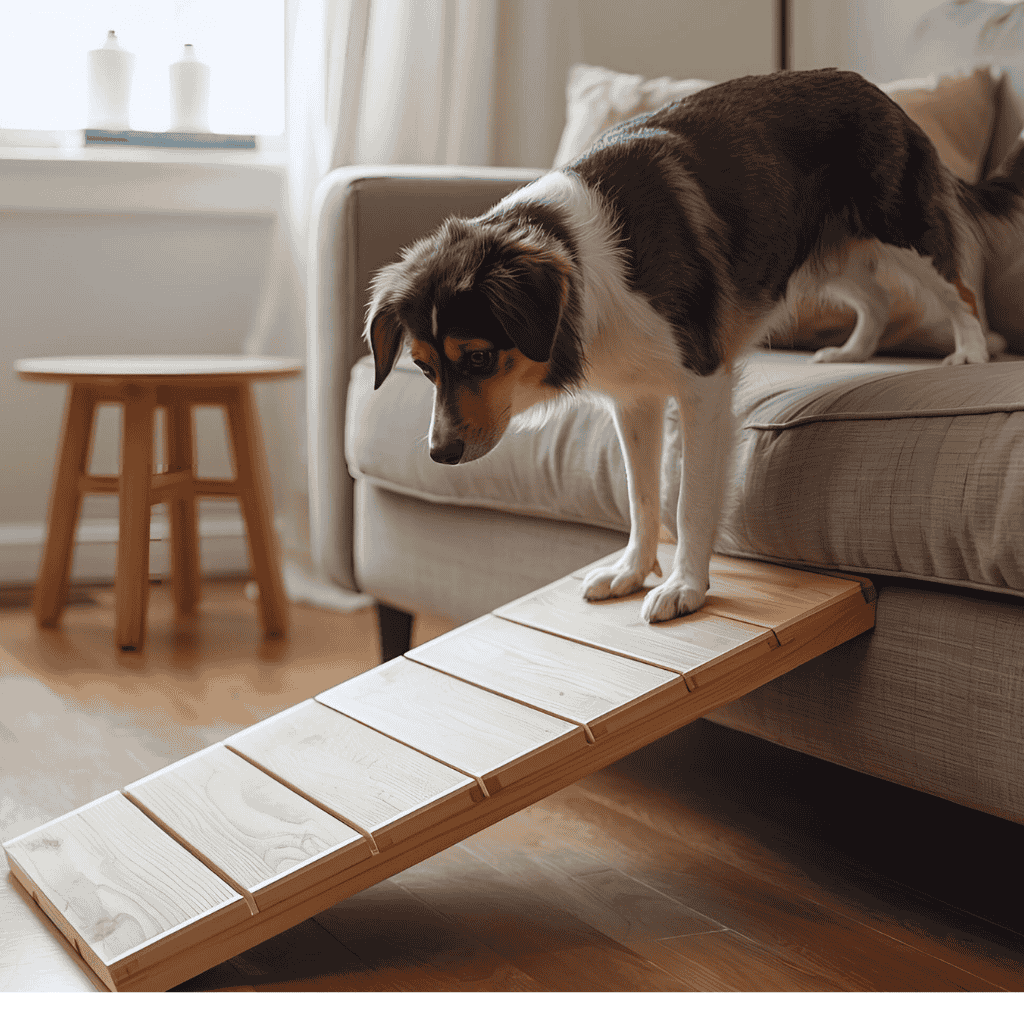
Couches and beds may seem harmless. They aren’t. Repeated jumps add up. A compact Dog Ramp for Large Dogs indoors preserves joints quietly over time.
Match ramp height precisely. Guesswork leads to awkward angles.
Outdoor ramps face weather, mud, and temperature swings. A Dog Ramp for Large Dogs outside must be:
Pressure-treated wood or coated aluminum holds up best.
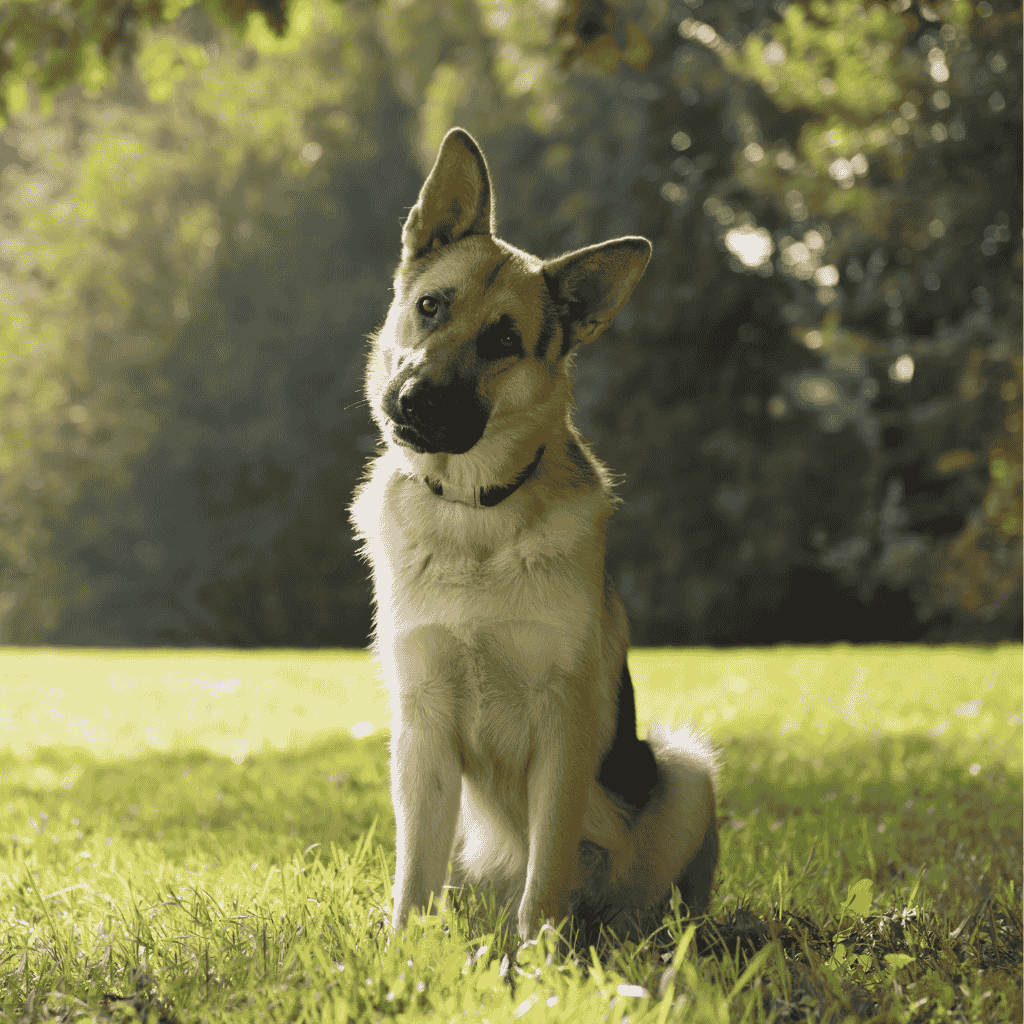
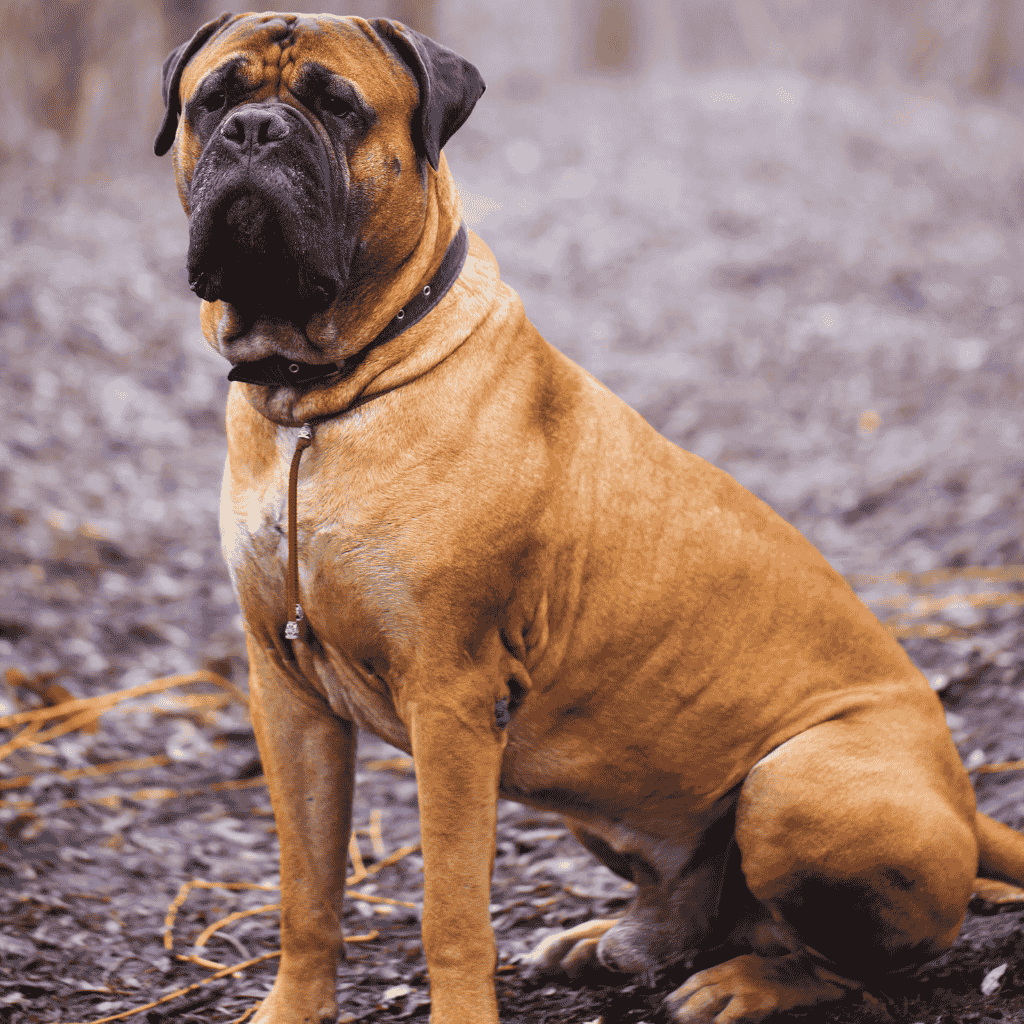
Some breeds benefit more than others:
Big dogs age faster. Planning ahead isn’t pessimism. It’s realism.
Dogs don’t automatically trust ramps. Respect that.
A Dog Ramp for Large Dogs only works if the dog uses it willingly.
Avoid these blunders:
Patience here saves months of resistance later.
A Dog Ramp for Large Dogs collects dirt fast. Clean surfaces weekly. Check bolts monthly. Replace worn traction immediately.
Neglect turns safety gear into a hazard.
Cheap ramps fail early. Solid ramps last for years. Cost per use drops dramatically over time.
Think long-term:
Frugality isn’t buying cheap. It’s buying once.
A Dog Ramp for Large Dogs is a practical investment rooted in common sense. Big dogs give loyalty, labor, and companionship. The least we can do is spare their joints unnecessary punishment.
Old wisdom says: take care of your tools, and they’ll take care of you. Dogs aren’t tools—but the lesson still applies. Choose solid materials, proven designs, and use them early. Your dog’s future mobility depends on it.

This website uses cookies to improve your experience. We'll assume you're ok with this, but you can opt-out if you wish. Read More
| Name | Domain | Purpose | Expiry | Type |
|---|---|---|---|---|
| wpl_user_preference | mobiledoglife.com | --- | 1 year | HTTP |
| wpl_viewed_cookie | mobiledoglife.com | --- | 365 | HTTP |
| Name | Domain | Purpose | Expiry | Type |
|---|---|---|---|---|
| _ga | mobiledoglife.com | --- | 2 years | HTTP |
| Name | Domain | Purpose | Expiry | Type |
|---|---|---|---|---|
| _ga_SLKD4S6GKT | mobiledoglife.com | --- | 2 years | --- |
| wpEmojiSettingsSupports | mobiledoglife.com | --- | 56 years | --- |
| consent_version | mobiledoglife.com | --- | 1 year | --- |
| wpl_tc_string | mobiledoglife.com | --- | 1 year | --- |
| IABTCF_AddtlConsent | mobiledoglife.com | --- | 1 year | --- |