








Walk down the pet aisle or scroll online for five minutes and you’ll see it—miracle powders, “vet-approved” chews, and bottles promising to add years to your dog’s life. The dog health industry is booming, and it’s not because dogs suddenly became fragile. It’s because myths sell, fear spreads fast, and hope is easy to monetize.
Let’s drop the marketing fluff and deal with dog health myths the old-fashioned way: plainly, honestly, and with common sense.
Dog owners love their animals. That’s not a weakness—it’s human nature. The industry knows this and leans hard on fear:
What if you’re not doing enough? What if this one product is the missing piece?
That anxiety sells more supplements than science ever could.
One viral post. One influencer dog. One dramatic before-and-after photo. Suddenly, everyone’s convinced that a powder changed a life.
What you don’t see are the dogs who saw no benefit—or worse, had reactions that never made it online.
This is the most dangerous belief of all.
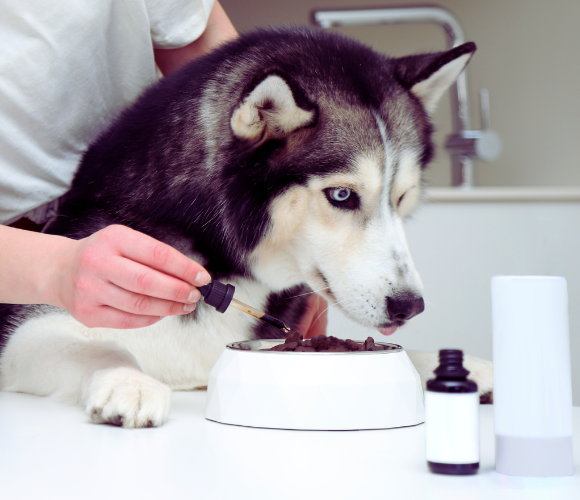
Dog supplements are not regulated like human medications. Many hit shelves with minimal testing, vague dosing, and no long-term safety studies. Legal doesn’t mean safe. Available doesn’t mean proven.
A smiling dog and words like “premium” or “holistic” mean nothing. Safety comes from ingredients, proper dosage, and evidence—not marketing.
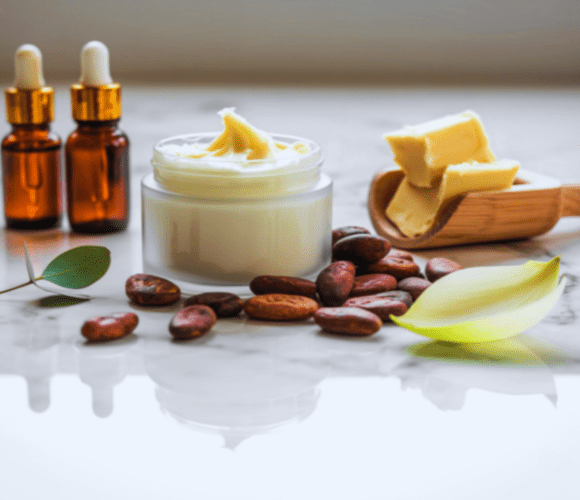
“Natural” is a feel-good word, not a safety guarantee.
Essential oils, certain herbs, and plant extracts can cause liver damage, seizures, or allergic reactions. Nature isn’t gentle—it’s indifferent.
Plenty of synthetic medications save dogs’ lives every day. The smart question isn’t where did it come from?
It’s does it work, and is it safe?
This one causes more harm than owners realize.
Stacking joint chews, oils, vitamins, probiotics, and calming aids overloads the liver and kidneys. Dogs aren’t designed for supplement cocktails.
Dogs thrive on simplicity. Supplement only when there’s a clear reason—not “just in case.”
No pill fixes poor food. Ever.
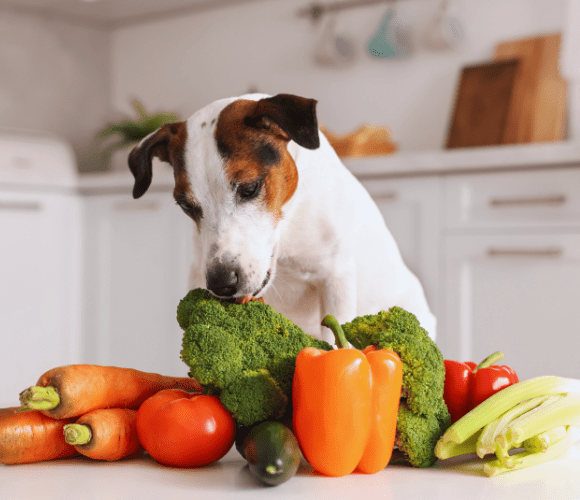
Food is fuel. If the fuel is bad, no additive will save the engine.
Adding supplements to low-quality kibble is like pouring premium gasoline into a rusted-out car. Start with diet or don’t bother.
Price is not proof.
Some products cost more due to testing and sourcing. Others cost more because of slick branding and influencer deals.
Transparency, research, and consistency—not hype.
Most dogs don’t.
Fat-soluble vitamins like A and D can build up and cause serious damage.
A complete, balanced diet already covers the basics. More isn’t better—it’s risky.
Read carefully.
“Vet-recommended” might mean one vet said it was fine. That’s not science.
Look for studies, trials, and published data—not endorsements.
No chew replaces leadership.
Calming treats don’t teach boundaries. Sprays don’t build confidence.
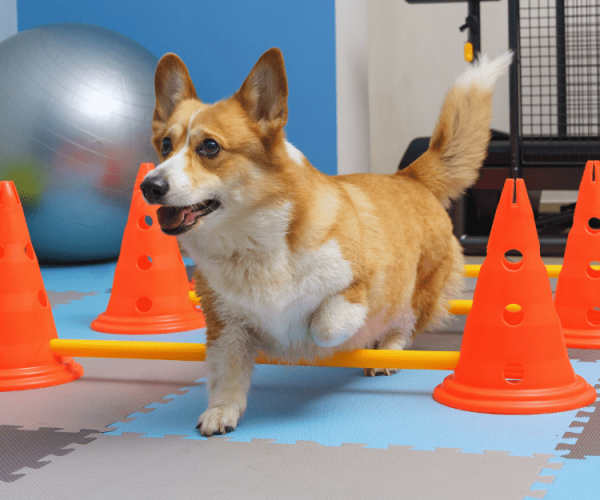
Training, routine, and structure fix behavior. Products only assist.
👉 Best Orthopedic Beds for Large Dogs
👉 Best Dog Ramps for Joint Protection
This myth causes lifelong damage.
Excess calcium and growth boosters can warp joints permanently.
Proper growth formulas already do the job. Interference often makes things worse.
Dogs are individuals.
Breed, size, age, and health history matter.
What works for one dog may harm another. Care should be tailored, not copied.
Dog health products are tools—not cures. Some help. Many are unnecessary. A few are outright junk.
Get the basics right, and most “miracle” products become irrelevant. Dogs thrived long before supplement aisles existed.
Healthy dogs aren’t built with powders and promises. They’re built through steady, sensible care—the same way they always have been. Strip away the hype, trust fundamentals, and remember: real health doesn’t come in a bottle.
Yes—but only for specific, diagnosed needs.
Absolutely, especially when overused or stacked.
Look for research, clear labeling, and transparency.
Always—especially for puppies or senior dogs.
Feed well, exercise daily, and keep life simple.
This website uses cookies to improve your experience. We'll assume you're ok with this, but you can opt-out if you wish. Read More
Cookie Settings