



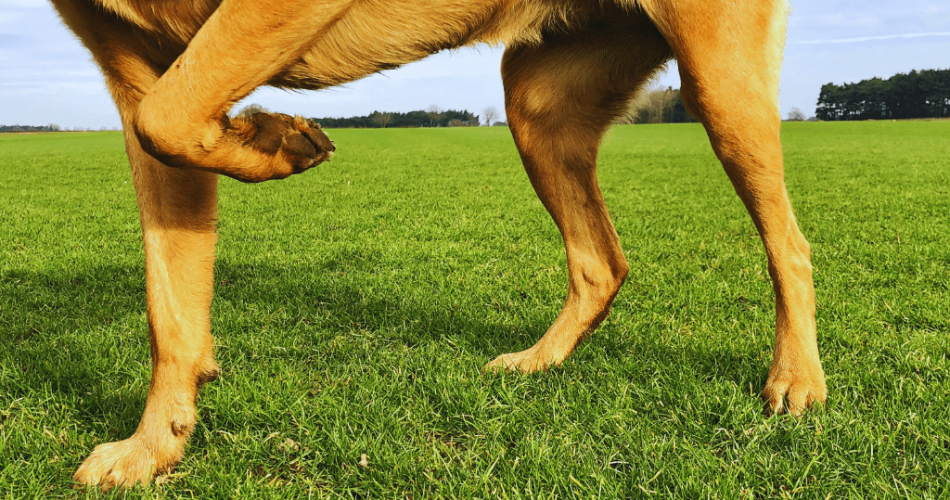





Dogs rely on healthy cartilage, joint fluid, and muscle strength to move comfortably. Over time, natural wear and tear slowly break these systems down, reducing shock absorption and joint stability.
Larger dogs often feel these changes sooner because their joints carry more weight with every step, jump, and turn. As this stress builds, everyday movements like standing up, climbing, or settling down to rest can become more difficult without proper support.
Joint health is influenced by:
Joint supplements do not reverse damage, but they can support joint structures while they are still functioning well.
The most common mistake is waiting until a dog is clearly in pain.
By the time a dog struggles to stand, avoids stairs, or limps regularly, joint degeneration is often already well underway. Joint supplements work best as support, not as last-minute solutions.
Starting earlier gives joints help while there is still something to protect.
Large breeds often benefit from joint supplements as early as 12 to 18 months, especially breeds prone to hip or elbow issues. Early support helps reduce long-term stress on developing joints.
For many medium and large dogs, this is a sensible starting window. Joints are fully developed, and supplements can help maintain cartilage and joint fluid before stiffness becomes noticeable.
Senior dogs almost always benefit from joint support. While supplements cannot undo damage, they may help improve comfort and ease daily movement.
You do not need to wait for your pet to show obvious pain.
Early signs include:
These early signs are often the best time to introduce joint support.
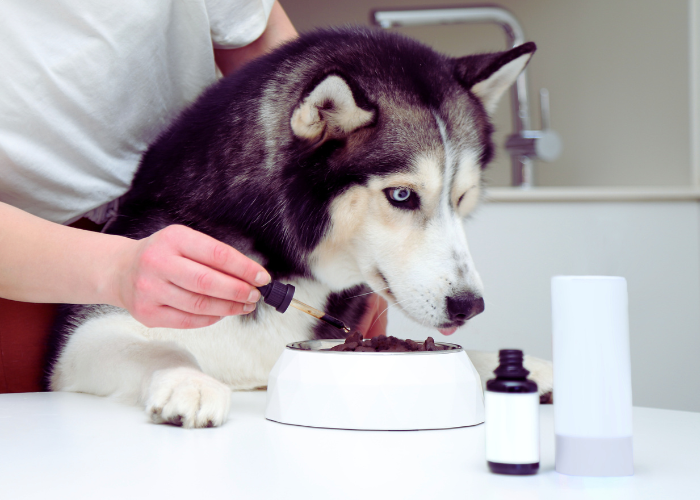
Most high-quality joint supplements are designed for long-term use and are considered safe when used as directed. Ingredients such as glucosamine, chondroitin, MSM, and omega-3s are commonly used for ongoing support.
Supplements work best when paired with weight control, safe movement, and proper rest.
👉 See our guide to the Best Glucosamine for Dogs
In most cases, healthy puppies do not need joint supplements unless advised by a veterinarian. Their joints are still developing, and unnecessary supplementation is usually not needed.
Exceptions may include large-breed puppies with known joint risks or dogs recovering from injury, which should always be handled with professional guidance.
Joint supplements are most effective when combined with practical support at home. Reducing joint strain allows supplements to work more effectively.
👉 Read our full guide to the Best Orthopedic Dog Beds for Large Senior Dogs
There is no single perfect age to start joint supplements for dogs. The right time depends on breed size, lifestyle, and early signs of stiffness. For many dogs, starting before problems become obvious is the most practical approach.
Joint care works best when it is proactive rather than reactive. Supporting your dog early, and pairing supplements with proper rest and safe movement, can help them stay comfortable and confident for longer.
Dogs can benefit from joint support before obvious problems appear. Large and active breeds often start between 12 and 24 months, while others may benefit later in adulthood. Early support helps protect joints before significant wear sets in.
For most large dogs, the best joint support combines omega-3 fatty acids, glucosamine, and chondroitin. Many high-quality supplements also include green-lipped mussel to support cartilage and joint fluid.
Some dogs show improvement within a few weeks, especially with omega-3 supplements. Structural ingredients like glucosamine typically take 6 to 12 weeks of consistent use for noticeable results.
Supplements help support joint health internally, but they work best in conjunction with lifestyle modifications. Maintaining a healthy weight, using orthopaedic beds, and limiting high-impact activities all play a crucial role in joint comfort.
Yes. Most joint supplements are designed for daily use. Consistency matters more than occasional dosing, especially for larger dogs that place more strain on their joints.
Joint supplements do not prevent arthritis, but they may help slow joint degeneration and improve comfort. They are most effective when started early and used consistently as part of a long-term joint-care plan.
For dogs with joint stress or mobility changes, supportive beds and ramps can significantly reduce strain on hips, elbows, and knees. These tools help protect joints during everyday movement and rest.
Using multiple joint supplements is sometimes appropriate, but overlapping ingredients can lead to overdosing. It’s best to choose one well-formulated product or check with a vet before combining supplements.
This website uses cookies to improve your experience. We'll assume you're ok with this, but you can opt-out if you wish. Read More
| Name | Domain | Purpose | Expiry | Type |
|---|---|---|---|---|
| wpl_user_preference | mobiledoglife.com | --- | 1 year | HTTP |
| wpl_viewed_cookie | mobiledoglife.com | --- | 365 | HTTP |
| Name | Domain | Purpose | Expiry | Type |
|---|---|---|---|---|
| _ga | mobiledoglife.com | --- | 2 years | HTTP |
| Name | Domain | Purpose | Expiry | Type |
|---|---|---|---|---|
| _ga_SLKD4S6GKT | mobiledoglife.com | --- | 2 years | --- |
| wpEmojiSettingsSupports | mobiledoglife.com | --- | 56 years | --- |
| consent_version | mobiledoglife.com | --- | 1 year | --- |
| wpl_tc_string | mobiledoglife.com | --- | 1 year | --- |
| IABTCF_AddtlConsent | mobiledoglife.com | --- | 1 year | --- |