



Maintaining your dog’s joint health isn’t just about preventing pain—it’s about helping your furry friend live a comfortable, active, and happy life for as long as possible. Many dogs, especially large breeds and seniors, eventually deal with stiff joints, arthritis, or mobility issues. But here’s the good news: the right type of safe, joint-friendly exercise can dramatically reduce discomfort and slow the progression of joint problems. Think of exercise as medicine—but only if it’s done correctly. The wrong type of activity can worsen inflammation, strain the joints, or even lead to long-term mobility loss. That’s why understanding how to protect your dog’s joints through proper movement is critical.
Joint health issues don’t happen overnight. They develop slowly, sometimes silently, until one day you notice your dog hesitating before jumping, rising more slowly, or losing interest in activities they once loved. These little signs may seem normal with age, but they’re your dog’s way of saying, “Hey, something hurts here.” With safe exercise, however, you can improve muscle support around the joints, maintain flexibility, boost circulation, and give your dog a more youthful, energetic feel—without pushing them past their limits. This article explores everything you need to know about safe dog exercise for joint health, from the best activities to what you must avoid. We’ll dive into walking routines, swimming, strength-building workouts, stretching, and even indoor exercises perfect for rainy days. Whether you have a bouncy puppy that needs safe foundations or a senior dog needing gentle, thoughtful movement, you’ll find guidance to help protect their joints every step of the way.
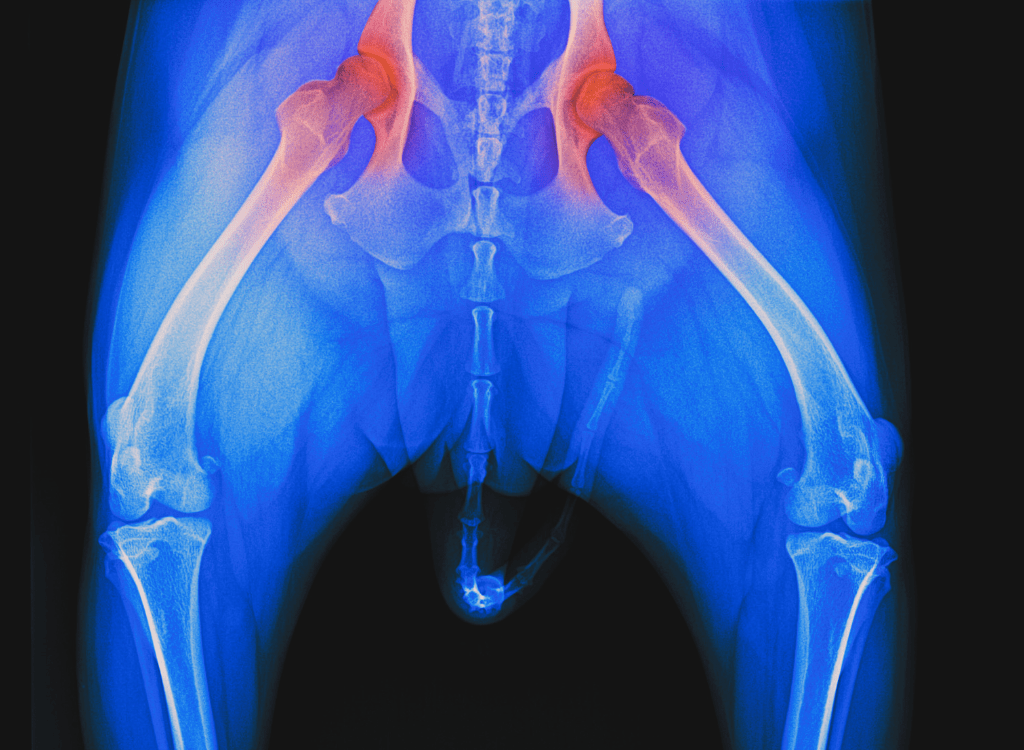
A dog’s joints act as flexible connectors that support running, jumping, turning, and every playful wiggle. When these joints weaken, mobility declines. Common issues include arthritis, hip dysplasia, ligament injuries, and age-related degeneration. Genetics, body weight, and exercise style all influence how quickly joint problems appear. Understanding how these joints work allows you to choose exercises that protect rather than stress them.
Dogs often hide pain. You may notice small changes like slower movements, difficulty standing up, avoiding stairs, or limping after play. Some dogs become less social or lose interest in activities they once enjoyed.
If these signs appear, switching to gentler, low-impact exercise can make a huge difference. Always consult a vet if symptoms worsen or appear suddenly.
Safe exercise builds strong muscles that support the joints, reduces stiffness, and helps manage weight—one of the biggest stressors on a dog’s frame.
Exercise also boosts mood, keeps the mind active, and helps your dog feel more confident in their movements. When done correctly, it becomes a natural therapy for joint discomfort.
Low-impact activities reduce shock to the joints while still giving your dog a great workout. These include slow-paced walking, swimming, controlled indoor games, balance exercises, and gentle stretching. They help strengthen important muscle groups without straining sensitive areas.
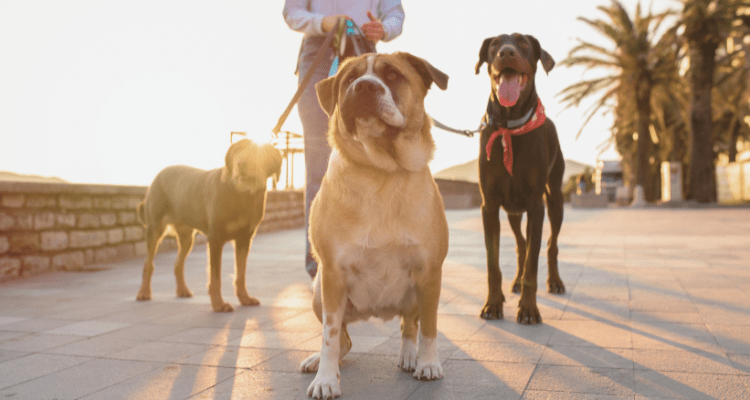
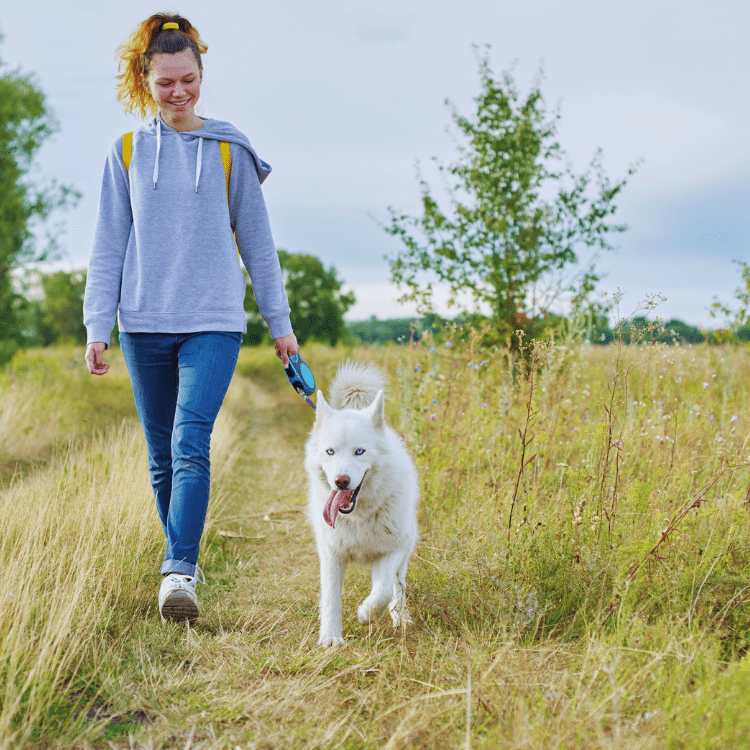
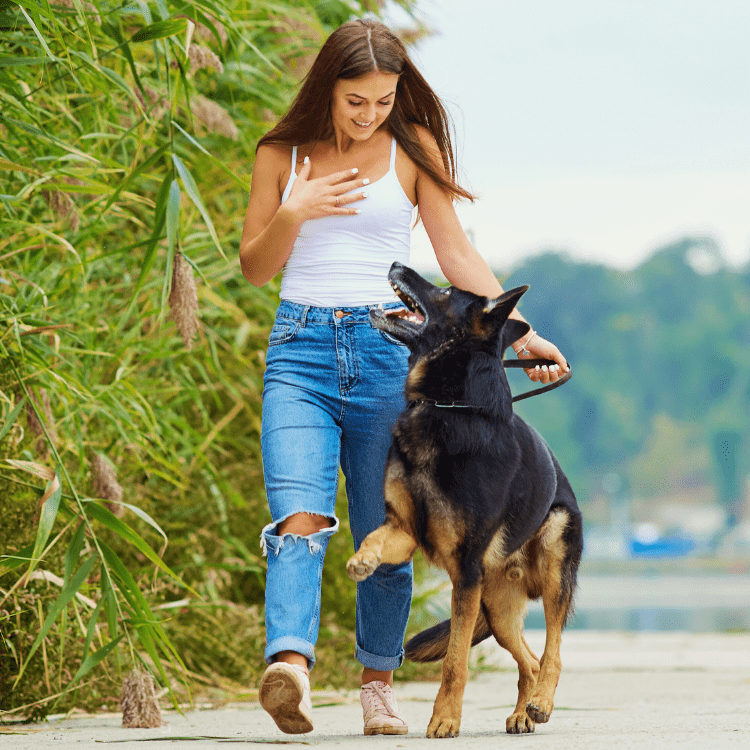
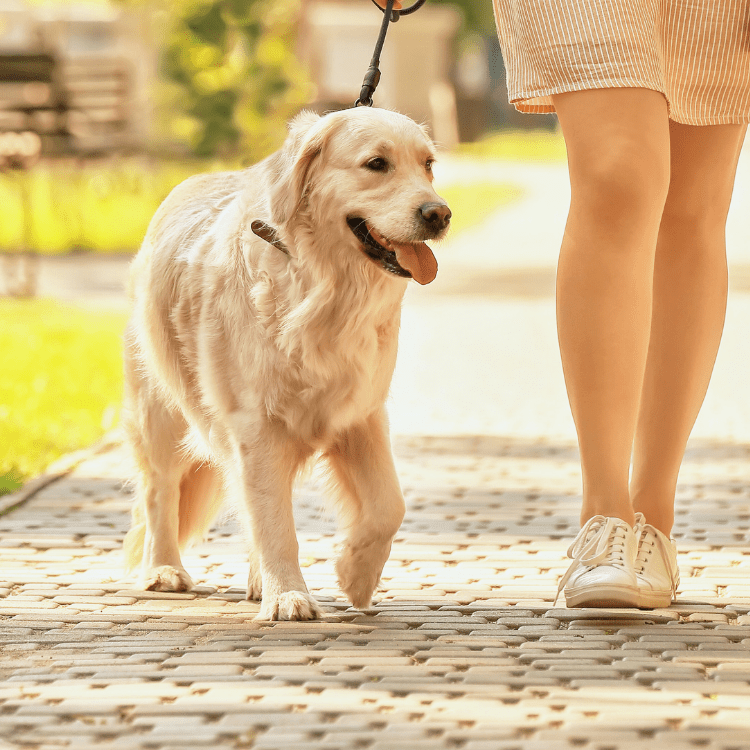
Walking is simple, accessible, and incredibly effective for joint health. Opt for flat surfaces like grass or dirt paths to reduce pressure. Keep a steady pace—not too fast, not too slow—and avoid long distances at once. Short, frequent walks are much safer than one long, exhausting session.
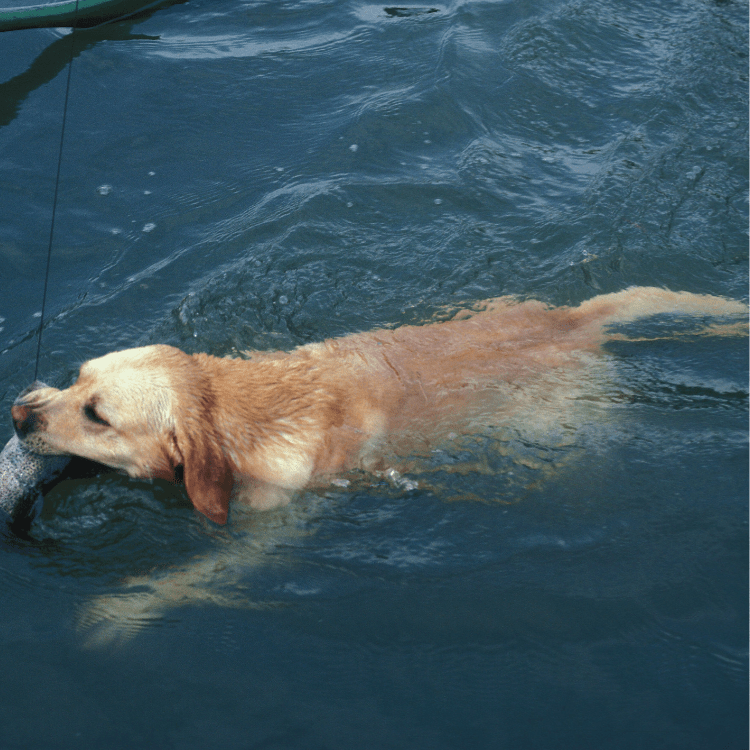
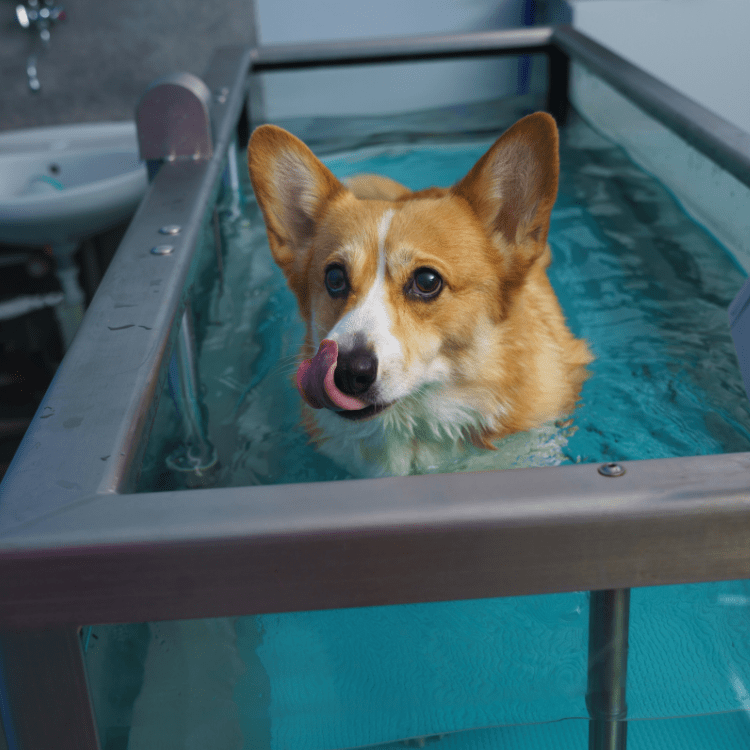
Swimming removes pressure from the joints entirely. The water supports the dog’s weight, allowing them to move freely without pain. It builds cardiovascular health, strengthens muscles, and improves flexibility.
Always supervise your dog, especially if they are new to water or not natural swimmers.
Hydrotherapy adds resistance and controlled movement using underwater treadmills or warm-water pools. It’s invaluable for senior dogs or those recovering from injuries.
Many rehabilitation clinics offer hydrotherapy, and it’s known to improve mobility and reduce discomfort significantly.
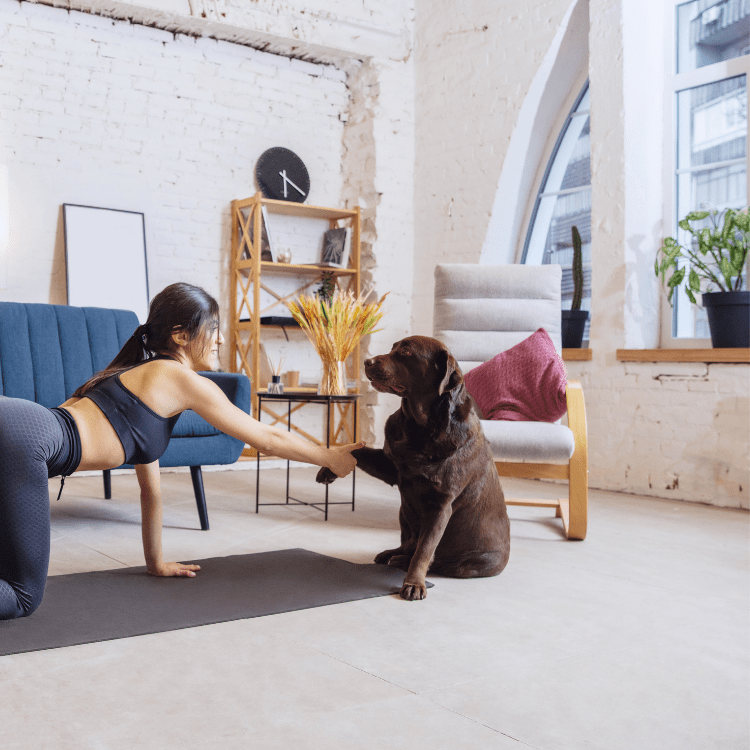
Indoor exercises are perfect when outdoor conditions aren’t ideal. You can try slow-paced fetch, tug with controlled movement, walking around furniture, or puzzle games that encourage gentle stretching.
These activities keep your dog active without risking slippery or uneven surfaces.
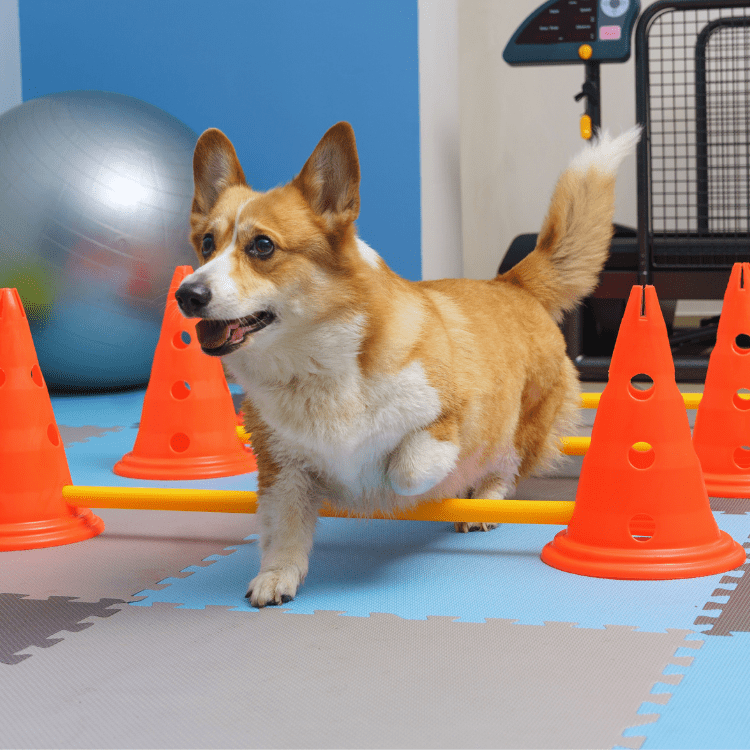
Strength training improves stability. Try sit-to-stand exercises, gentle hill walking, balance pads, or controlled step-ups on low platforms.
These movements activate core and leg muscles, which protect the joints during daily activities.
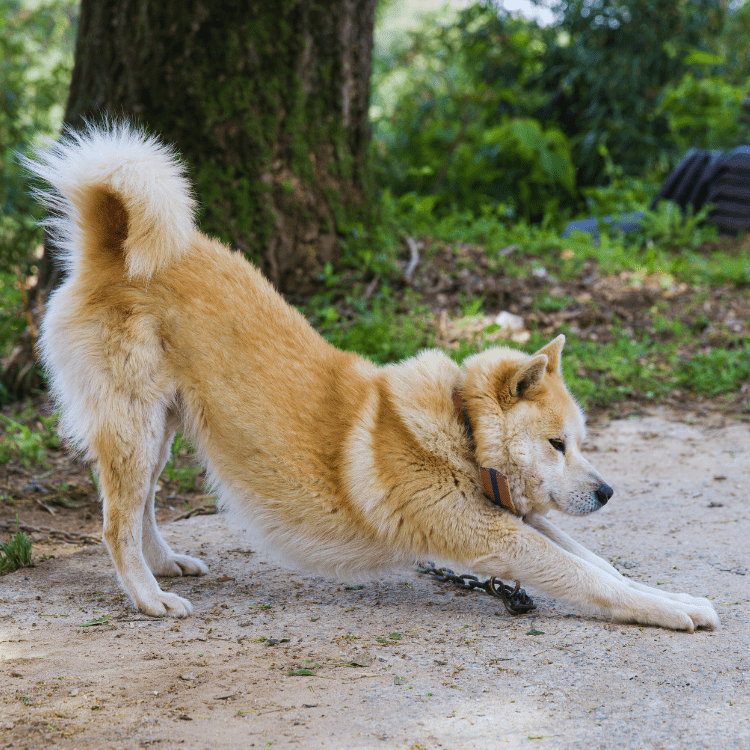
Stretching maintains range of motion. Gently extend your dog’s legs, encourage bow stretches with treats, or guide them into slow movement patterns. This helps reduce stiffness and prepares the muscles and joints for exercise.
Playtime doesn’t have to stop! Use soft toys for gentle fetch, slow-paced hide-and-seek, or mind games that stimulate without overexerting.
Choose activities that avoid sudden twisting, jumping, or slippery floors.
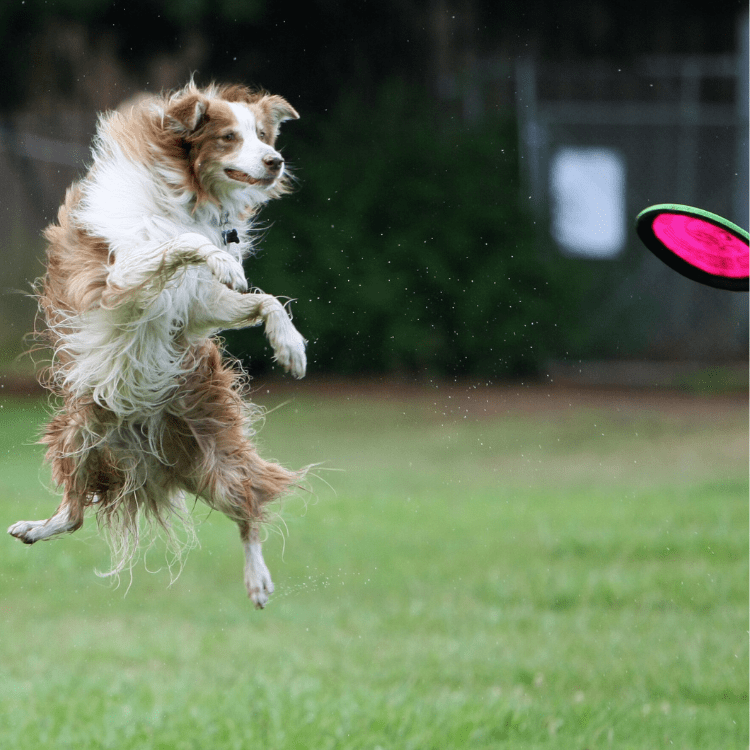
Some exercises are harmful to sensitive joints. Avoid long-distance running, rough play with other dogs, repetitive jumping (like catching frisbees), steep stair climbing, and high-impact agility activities.
These can aggravate inflammation and accelerate joint damage.
Puppies need controlled movement to avoid growth plate injuries. Adults thrive on balanced exercise, and seniors benefit most from gentle, low-impact routines.
Large breeds require special care due to their increased joint load, while smaller dogs may struggle with weak ligaments.
Healthy joints start from within. Omega-3 fatty acids, glucosamine, chondroitin, and turmeric can help reduce inflammation and support cartilage. A balanced diet prevents weight gain, which dramatically reduces joint stress.
Mix low-impact walking, swimming, stretching, and indoor activities throughout the week. Rotate intensities and always monitor how your dog reacts after each session.
A good schedule keeps them active while preventing overuse.
Use the best dog joint chews, lots of praise, toys, and variety to keep your dog excited about exercise. Make routines fun, predictable, and comfortable.
Consistency builds confidence and helps your dog stay active even when joints feel stiff.
Safe dog exercise is the key to long-lasting joint health. With the right routine, your dog can stay active, comfortable, and joyful throughout every stage of life. Remember: gentle, consistent movement is far more beneficial than high-intensity play.
Your dog’s joints—and their happiness—will thank you.
Swimming and gentle walking are the best options for arthritic dogs.
Short, frequent sessions are ideal—usually 2–3 gentle walks plus light indoor play.
Yes, stretching improves flexibility and reduces stiffness.
Excessive stair use can strain joints; limit it when possible.
A quick warm-up walk helps loosen muscles and protect the joints.
This website uses cookies to improve your experience. We'll assume you're ok with this, but you can opt-out if you wish. Read More
Cookie Settings